Best Time to Climb Kilimanjaro

Mount Kilimanjaro, the roof of Africa, beckons adventurers from around the globe. But before planning this epic journey, it's crucial to understand the Best Time To Climb Kilimanjaro. Tanzania's tallest peak is a challenge to be taken seriously, and choosing the right season can significantly impact your experience.

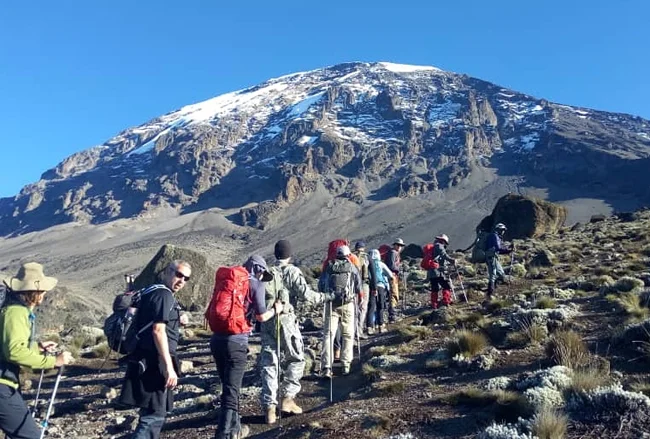
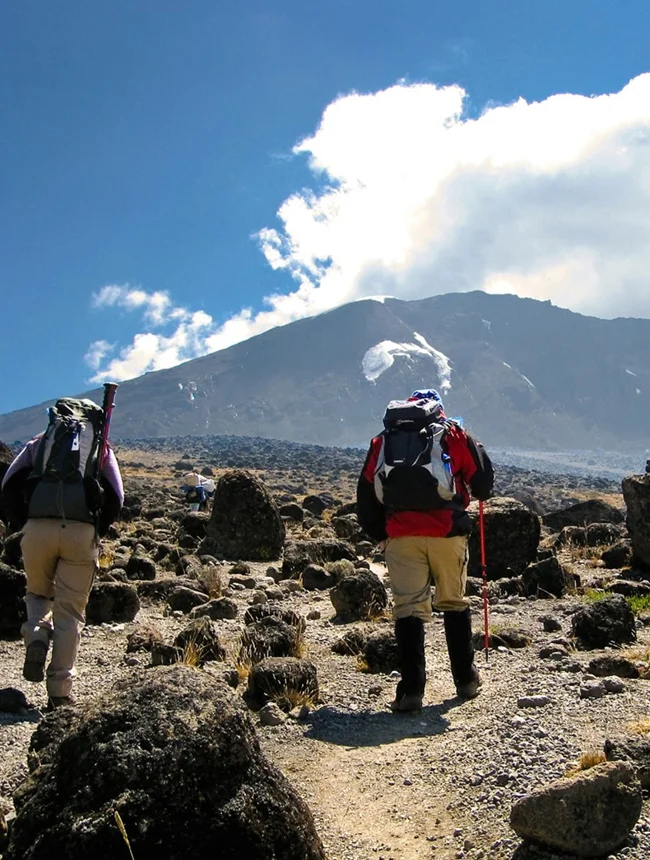
We recommend Best Month To Climb Kilimanjaro is during the warmest and driest times of the year, from December to mid-March and mid-June to the end of October. The short rain season of November and long rain season of mid March to May provide somehow a tough hike, but the snowy views of the peaks are so rewarding during the rainy season. For those who seek a lesser crowd trek those are the best time in Kilimanjaro.

Let Picture Tanzania Safari can help you plan your Kilimanjaro adventure. Each season has its charm and challenges. Preparation is key, mainly if you are on a shorter time frame or harder route. So timing is the top most medium to consider before Climbing Mount Kilimanjaro For Beginners.
More Details

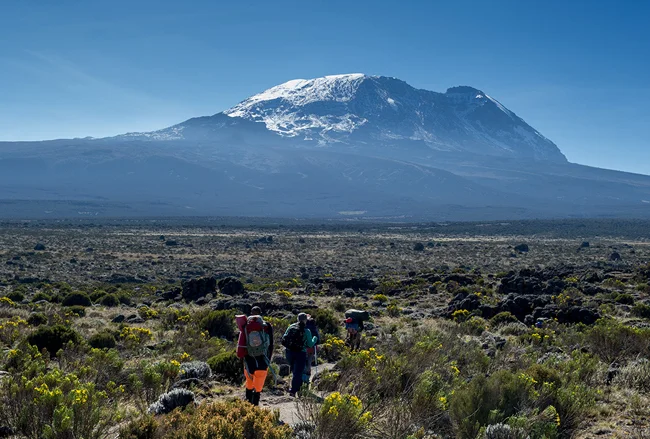
The dry seasons are the most popular times to climb Kilimanjaro. These periods offer clear skies, excellent visibility, and the best overall conditions for a successful summit. Here's what you can expect during these times:
  • January to March: This is Kilimanjaro's warmest period, with less crowded trails. However, be prepared for the possibility of short rain showers.
  • June to October: This is the primary climbing season. The weather is dry, and the trails are less muddy, providing optimal hiking conditions. Clear nights offer stunning views of the starry sky.

While the wet season presents a unique set of challenges, it also has its advantages for some adventurers. Here's what you need to know:
  • November to December: These months mark the short rainy season. While there are fewer climbers, the trails can be muddy, and there's a higher chance of precipitation.
  • April to May: This is Kilimanjaro's long rainy season, with the heaviest rainfall. Trails become slippery and potentially hazardous. Climbing during this period is less common due to the challenging conditions.

  • Comfort vs. Crowds: The dry season offers more comfortable hiking conditions, but it's also when Kilimanjaro sees the most climbers. If you prefer solitude and don't mind a bit of rain, the wet season might be appealing.
  • Budget: Consider your budget. Climbing during the wet season can be more cost-effective due to lower demand for permits and accommodations.
  • Wildlife: If you're interested in wildlife, the wet season brings lush vegetation and the opportunity to witness unique flora and fauna.
  • Starry Nights: If you're an astronomy enthusiast, the dry season's clear skies provide exceptional stargazing opportunities at high altitudes.